Back4Blood - Custom card crafting feature
Overview
Back4Blood is a cooperative FPS zombie shooter that integrates strategic depth through a card system. This analysis reviews the proposed "custom card crafting" feature to refine its design, raising key questions and suggesting UX-focused solutions.
My role
Ux Design, User Research,
Discover
Starting from the beginning
I started by playing the game to get familiar with the mechanics and gameplay. I also gathered a couple of screenshots to consult and use as a reference whenever needed.
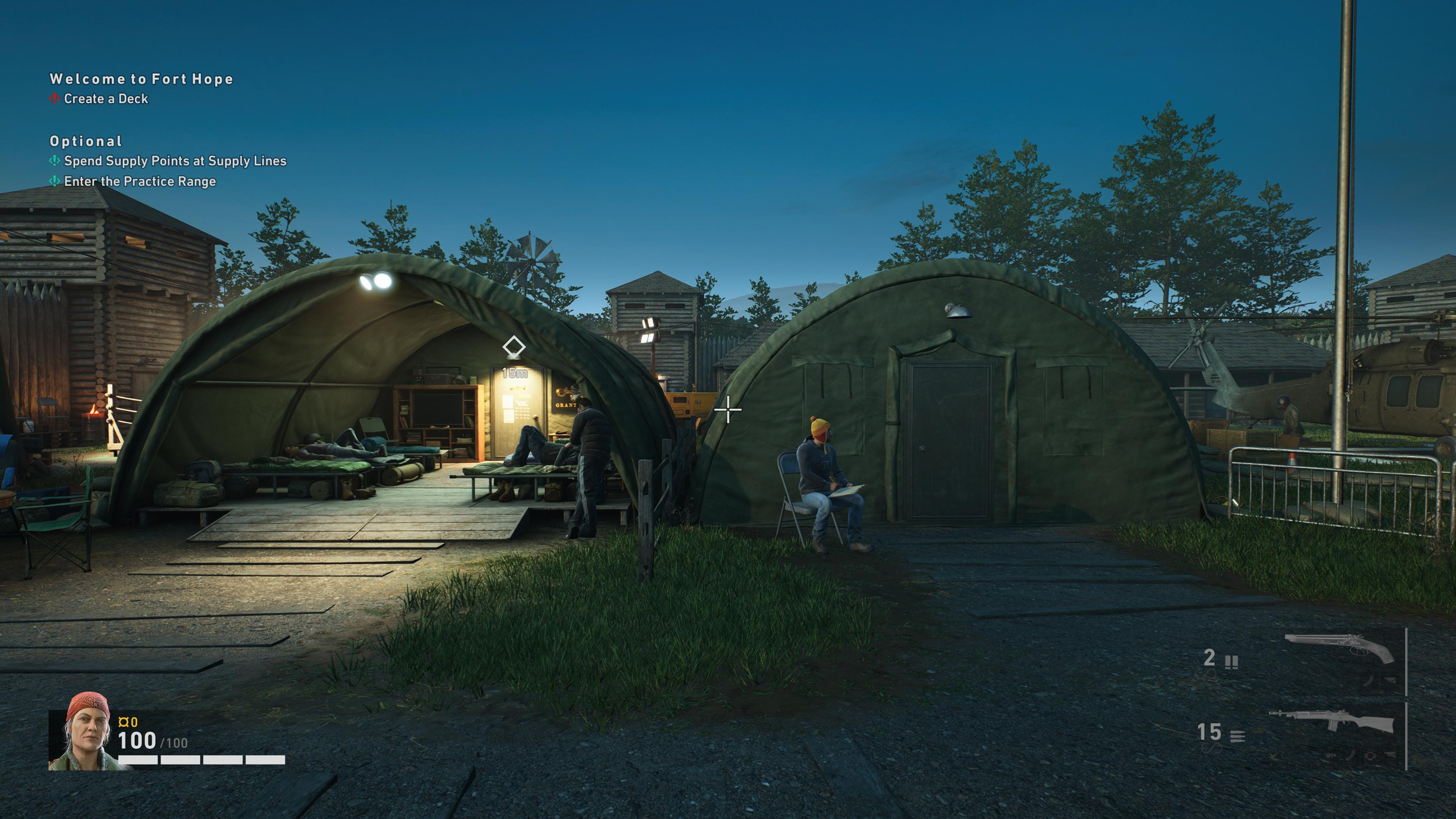
Fort Hope, player’s starting point.
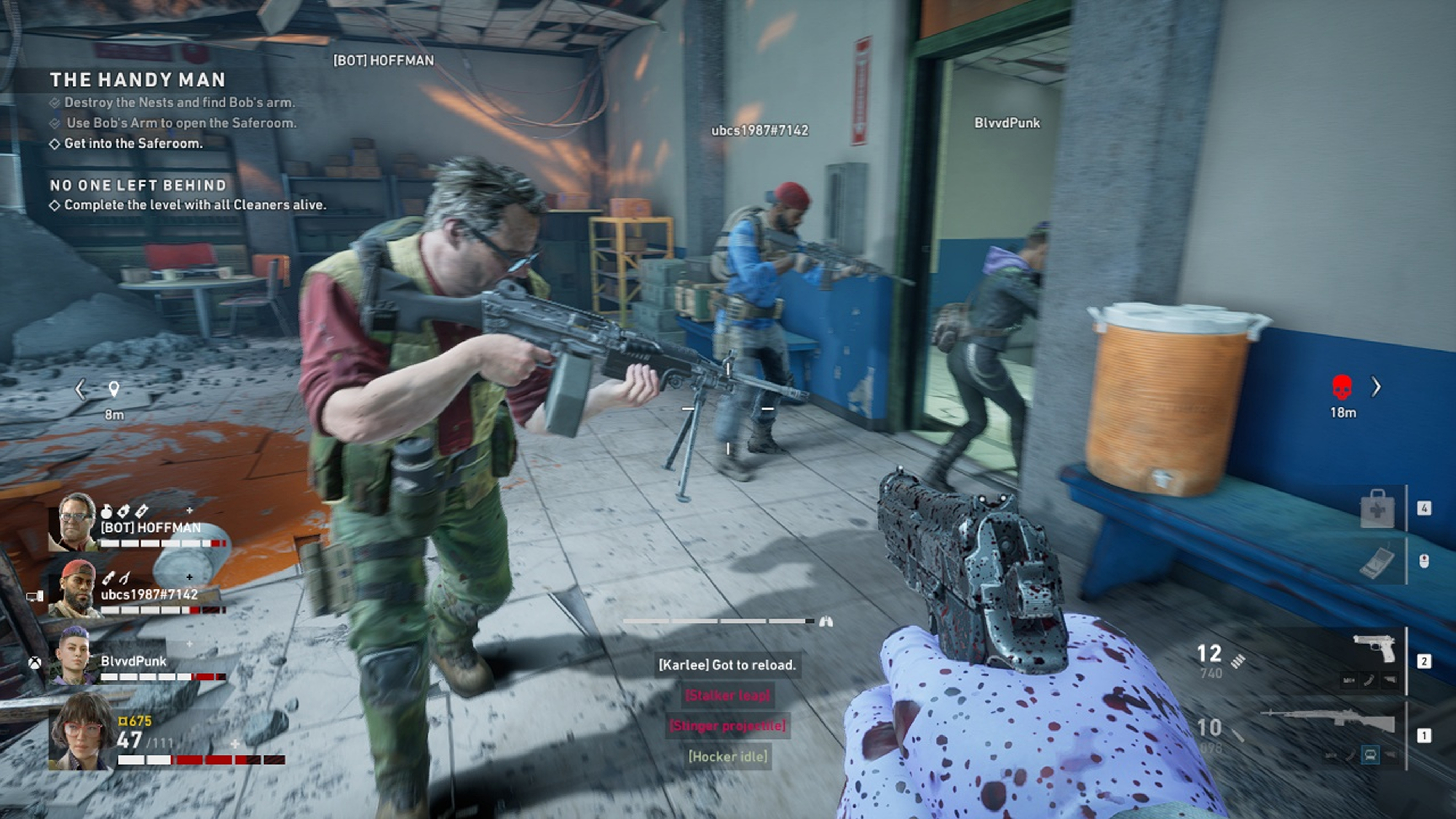
Coop gameplay example.
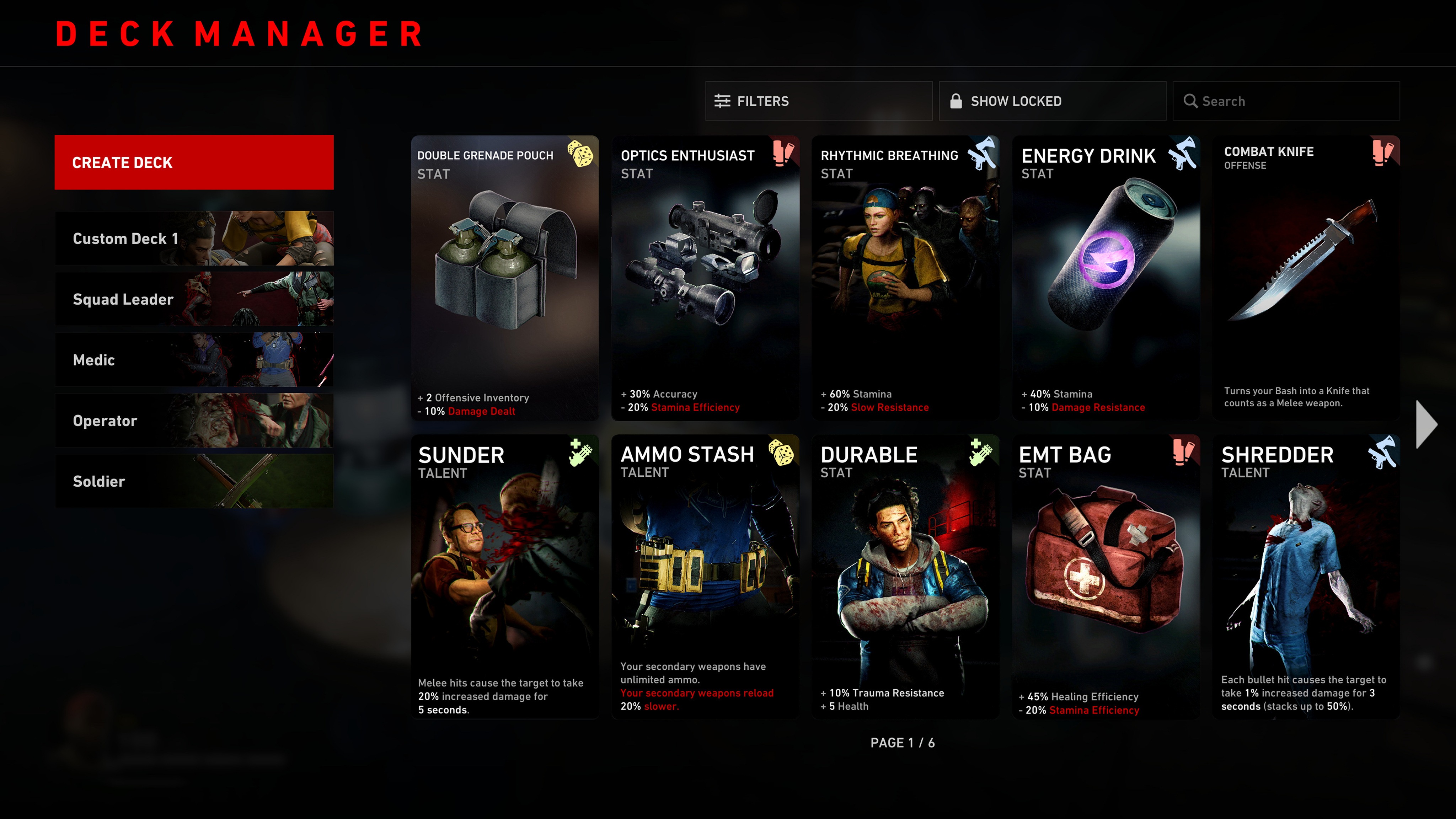
Deck creation and management area.
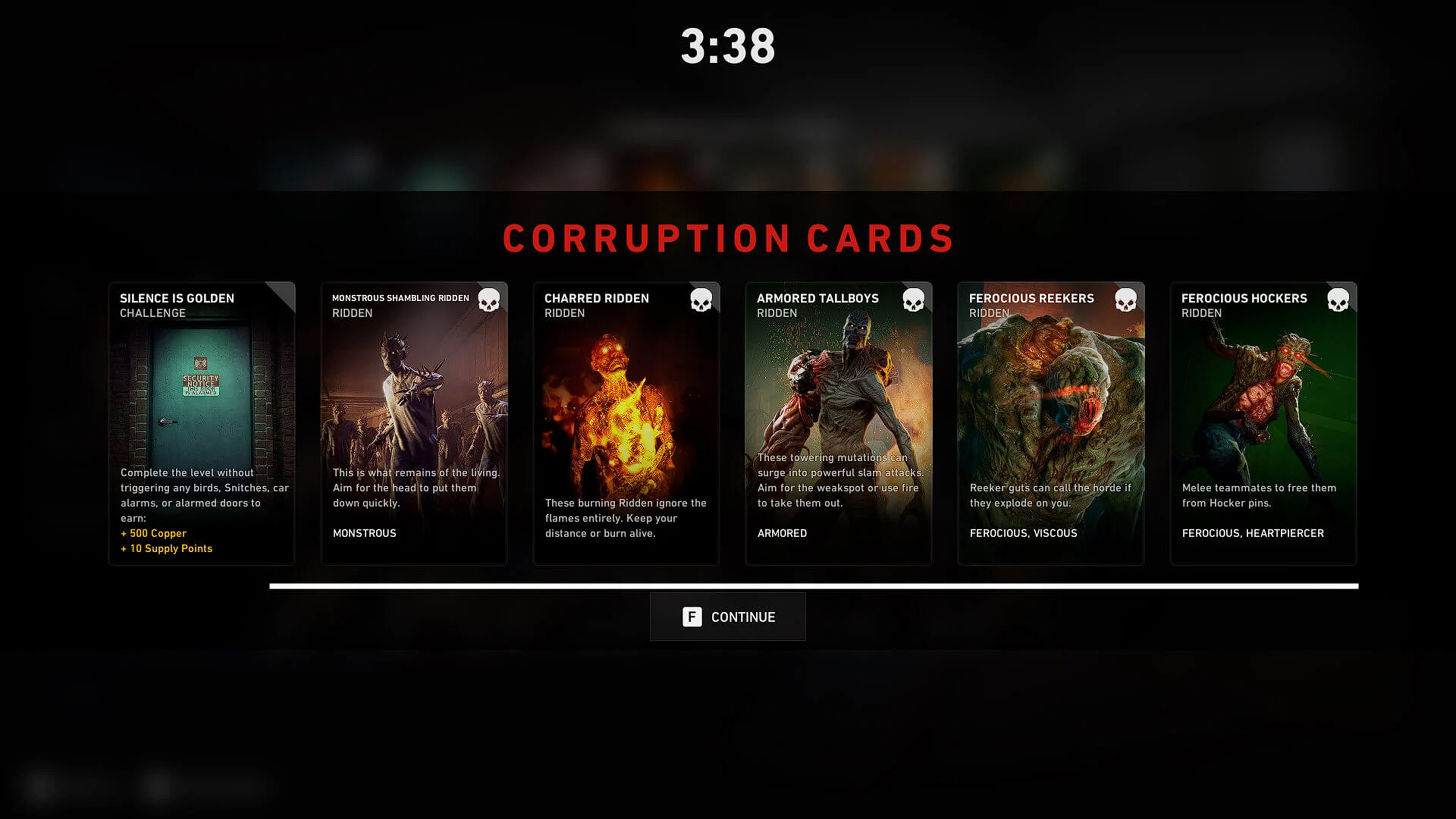
In-game card usage example.
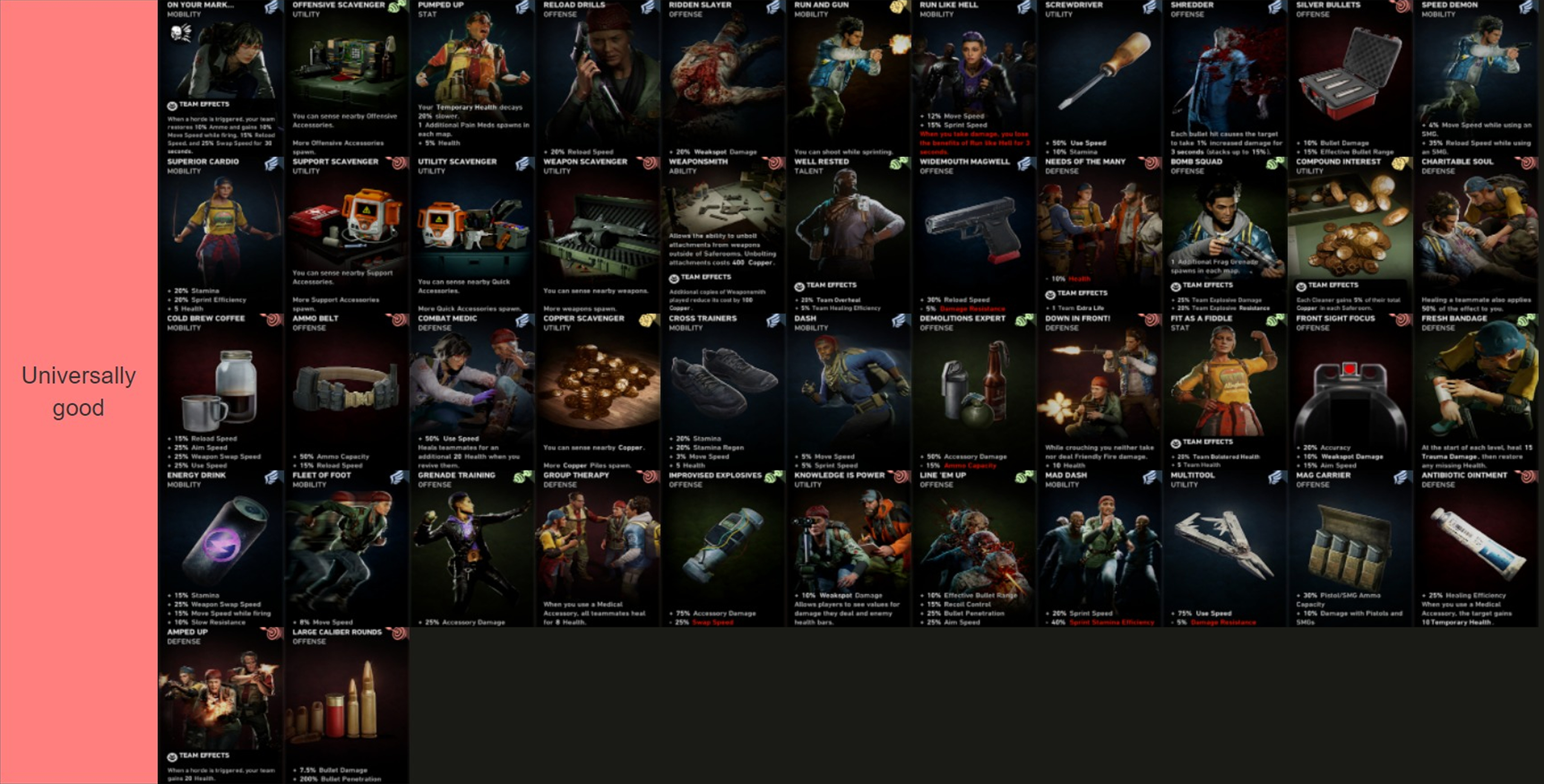
Player community picture grouping cards by efficiency - universally good.
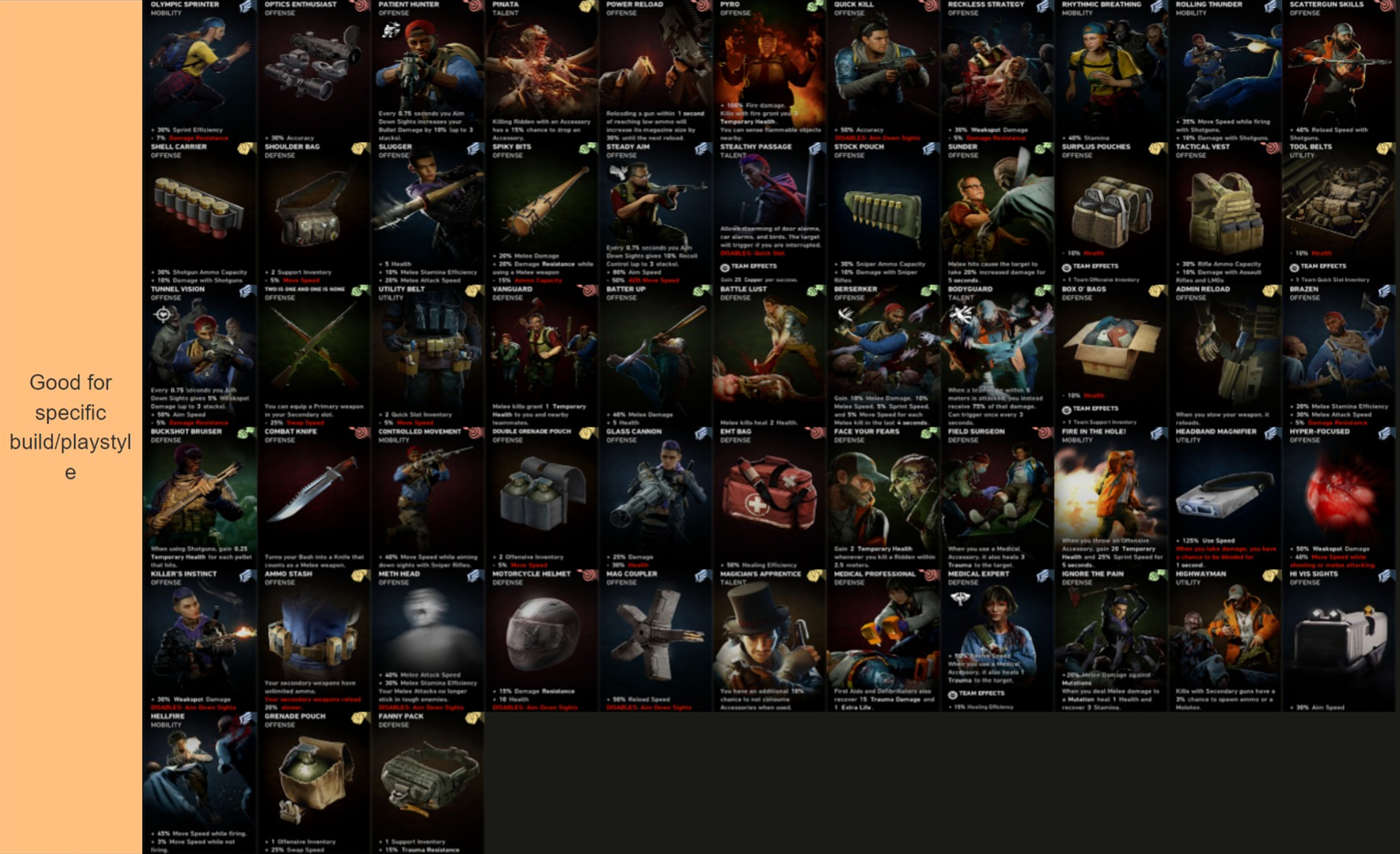
Cards seen as good for specific builds.
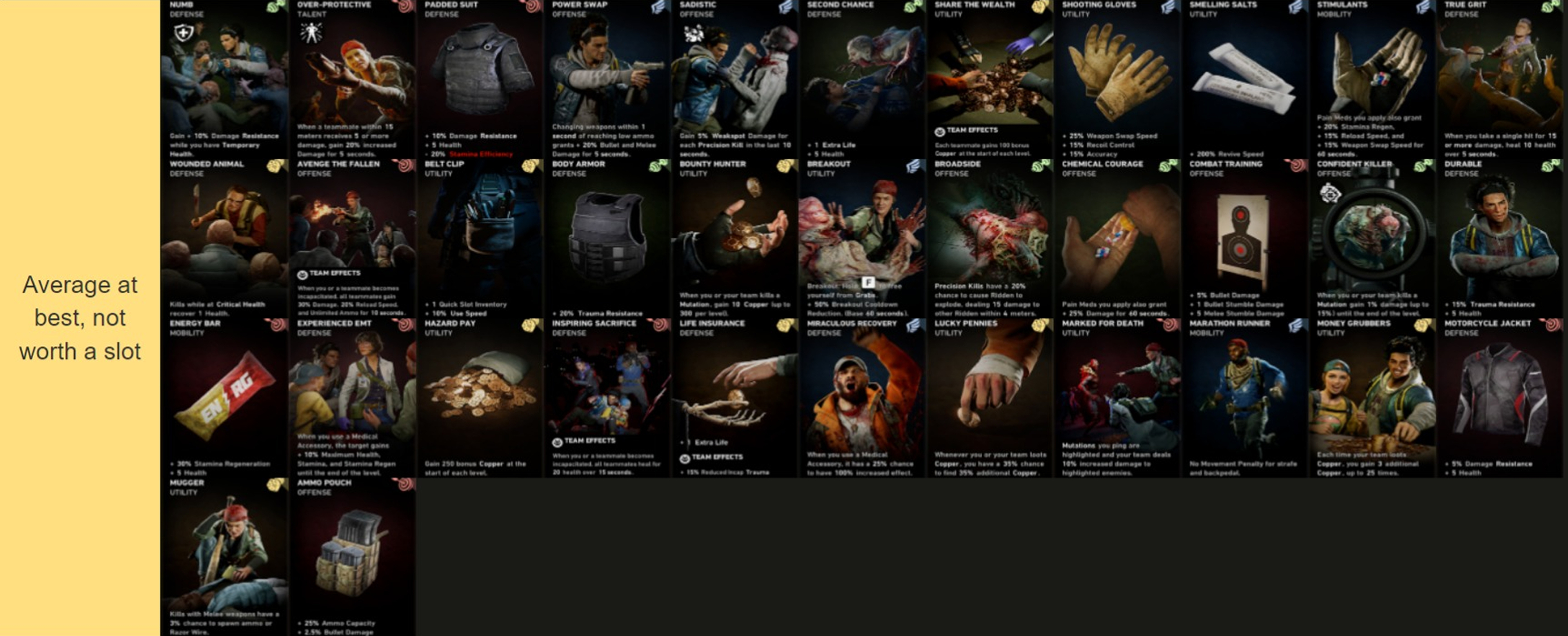
Cards perceived as average.
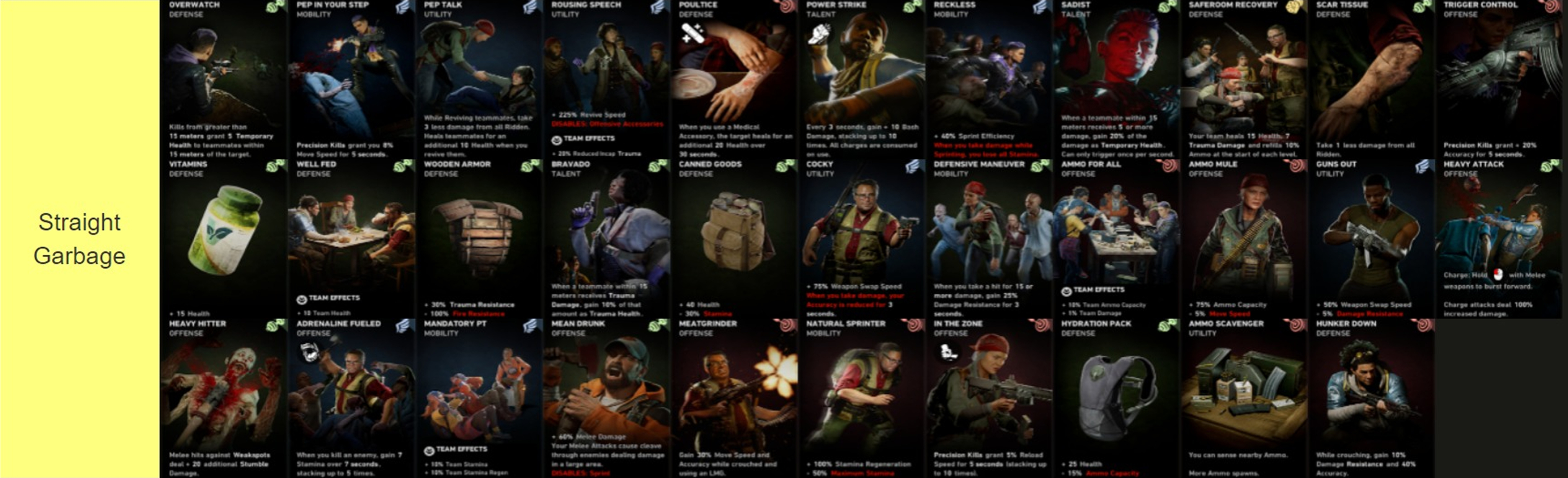
Cards labeled as useless by players.
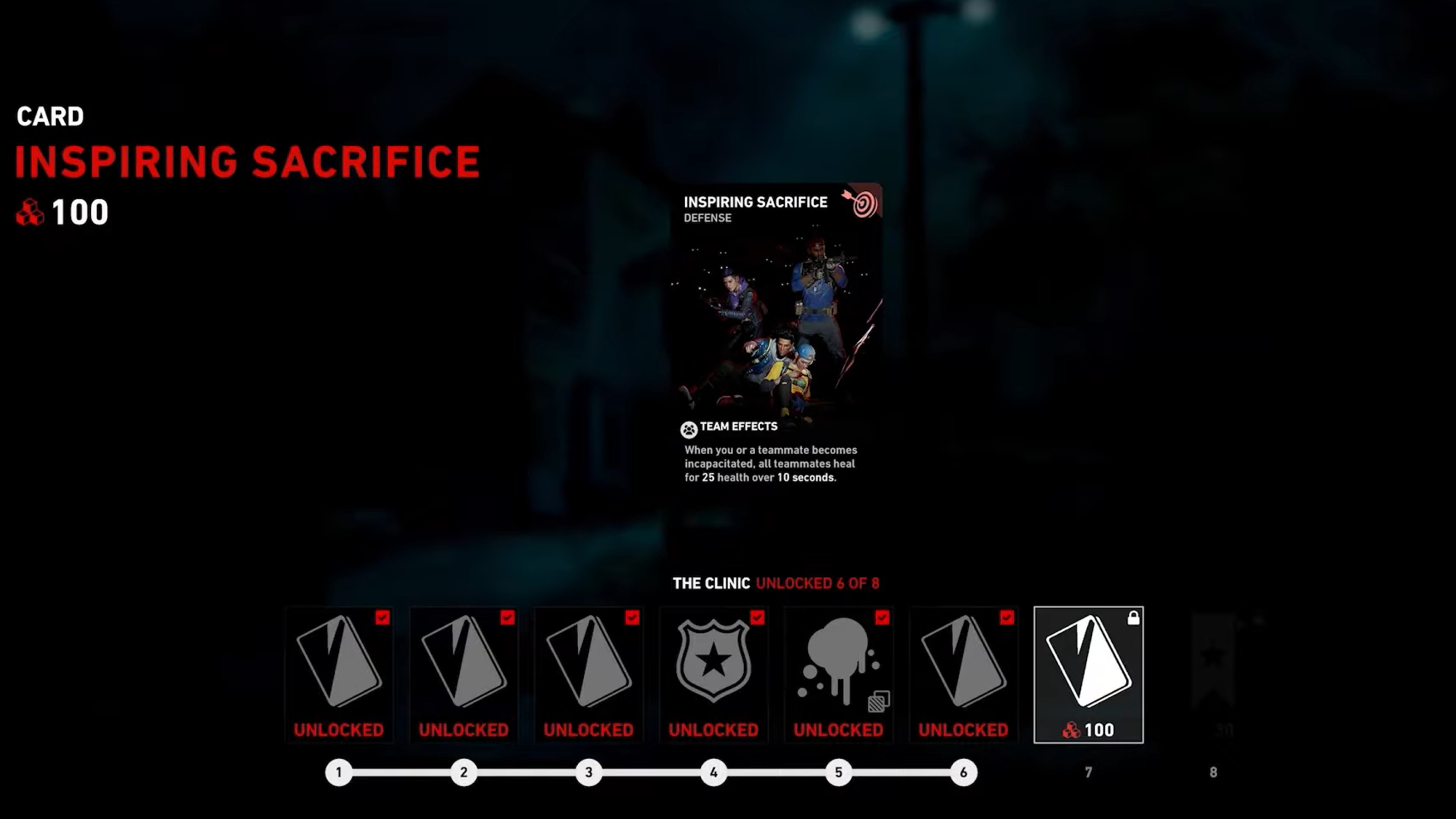
One of the ways available to unlock new cards.
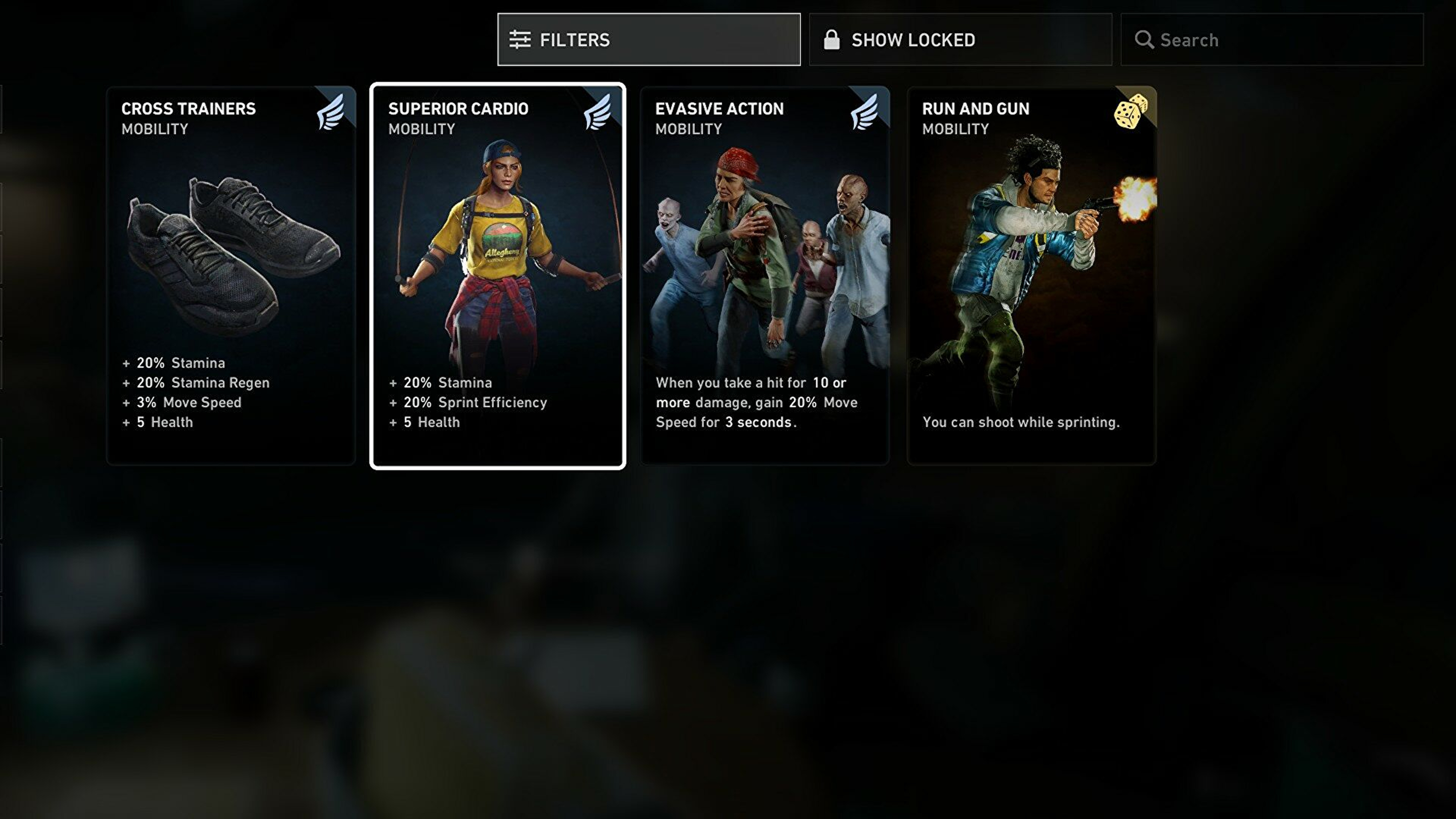
Card selection/filtering in the deck manager area.
Feature Design review
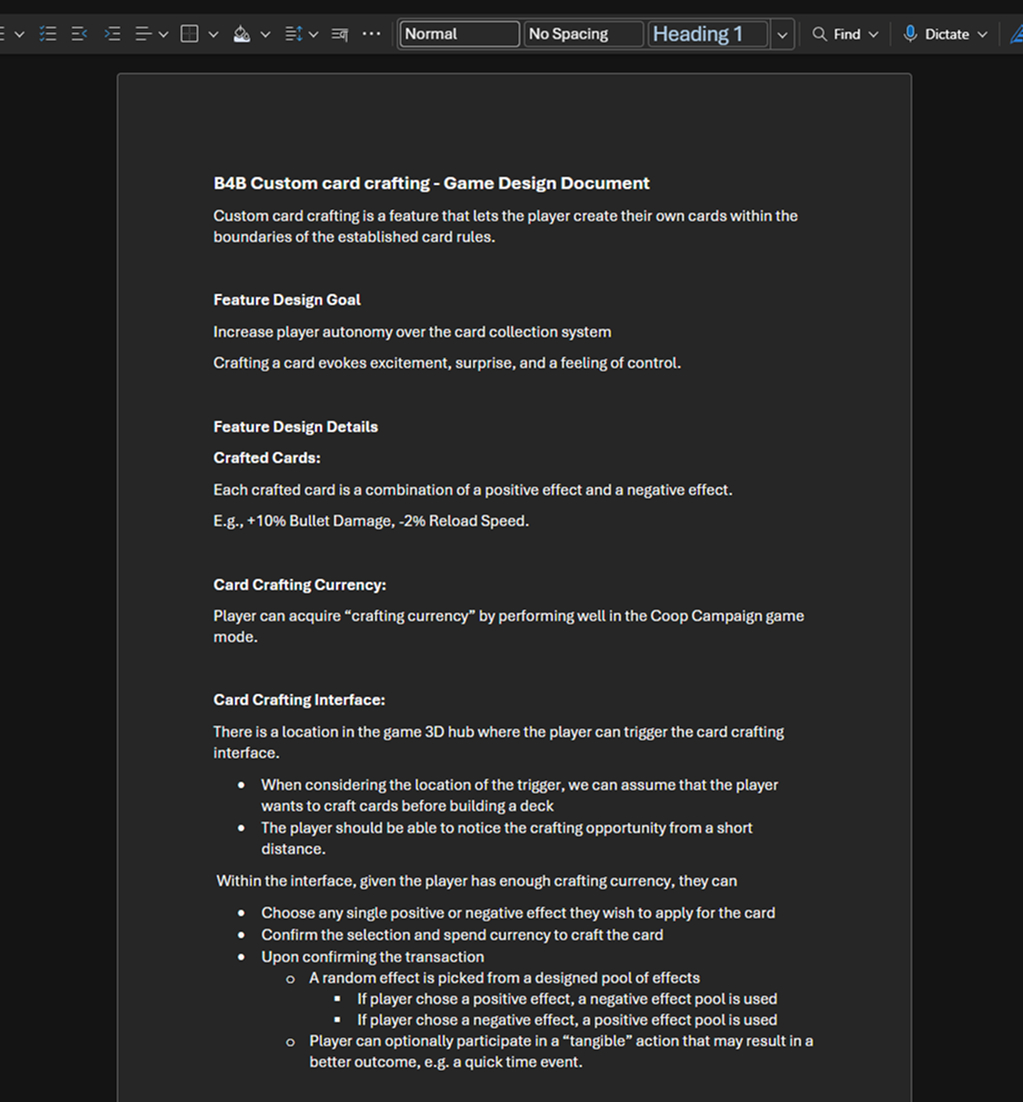
After playing and reviewing the screenshots, I checked the Game Design Document and raised some questions that could heavily affect the final solution. Here we can see the content from the GD document. I’ll show next my questions and possible steps to take towards an answer.
Q: Do players want to invest time in crafting cards?
From GDD “Feature Design Goal: Increase player autonomy over the card collection system.”
Hypothesis: because B4B is primarily an action game, many players may prefer combat over crafting, which requires deeper knowledge of the card system.
My approach: quick research (player interviews, stakeholders, benchmarking, social listening) and a simple prototype to test and validate interest before detailing and refining the feature.
Q: What kind of cards can they create?
Even though the feature title is “custom” card crafting, we have a couple of other options to consider. (see sticky notes)I would discuss that with producers and other team members responsible for the game to understand the pros and cons of each approach.
Scenario A - Existing cards
Are they the same as the ones available in the game?
This means we would give them a new way to get cards instead of reaching the goals that provide cards as prizes. That would only be a new way of getting something they already have, but it could still be interesting to improve the collecting aspect of the game. Introducing and expanding these aspects could even be further discussed.
Scenario B - New combinations
New combinations based on any effects available?
This approach would provide more freedom for players to enjoy the game mechanics, evoking even more excitement, surprise, and a feeling of control, as stated in the briefing. Still, there could be backlashes like a lack of player interest if the hypothesis from the previous question is true.
Q: Is the statement “crafting evokes excitement and feeling of control” an assumption, fact or request?
There is no empirical data for this project at this point. I would include this hypothesis in research to measure expected emotions (excitement, frustration, satisfaction).
Based on existing knowledge about the matter, card games, in general, can evoke a range of emotions, including excitement, anticipation, frustration, and satisfaction. Winning a game of cards can bring a sense of accomplishment and boost one’s confidence, while losing can lead to disappointment or anger, depending on the kind of game we’re talking about.Overall, the emotions that people experience while playing card games hinge on various factors such as the type of game, the stakes involved, the company, and the individual’s disposition.
Sources:
“The effects of card playing on cognition”, Bergmann, 2018
“May the passion be with you: the addictive potential...”, Calvo et al., 2018
Q: Where should the crafting entry point be?
GDD suggests a location in the 3D hub intended for crafting before deck building.I would try two approaches here using an A/B test if no other data is available. One new “craft card” area outside the deck manager section and one inside, in the same hierarchy level as we have the “create deck” option at the moment.
Another approach here would be to combine this question with one of my next proposals about allowing players to create cards they don’t have yet (unlocked). In this scenario, we could consider adding an entry point to the card craft feature under the “show locked” cards area. This approach would require further research as well.
Q: Should the player be able to see beforehand the possible “side effects” of their selection?
Again, prototype and run an A/B test to see the best option. Show the “side effect” only in the result part or show a list with possible side effects to be applied according to the effect selected by the player.
Define
Proposal 1: Multiple materials instead of a single currency,
From GDD “Card Crafting Currency: Player can acquire “crafting currency” by performing well in the Coop Campaign game mode.”
Instead of a single currency, adopt a material-based system (e.g., similar to Age of Empires). Cards would require specific items (e.g., scrap, chemicals) found in-game.
These items could be found during a coop campaign or dropped from defeated opponents, varying according to their difficulty level.
This approach would allow us to add and control friction in the crafting process and introduce a new goal to be pursued in the game, collecting materials to create relevant cards. E.g., the Player wants to craft cards -> play to farm materials -> craft their cards -> repeat.Depending on the game business model, this option could be monetized by selling the crafting materials.
Proposal 2: Introduce new interactions with cards.
We could introduce a new way to interact and collect cards along the crafting system, depending on what we want players to craft.
Players could create cards they already have using an X amount of materials. This way, they would have an easy way to personalize their decks further.
Players could then create cards they DON’T have yet by using more materials, introducing a new way to get them in the game. (Currently, you get new cards by leveling up, accomplishing specific missions, and so on.)
This proposal is related to second Discovery question.Suppose we combine proposal one and proposal 2. In that case, these two options can evoke even more excitement in our players due to all the new mechanics, strategies, and possibilities available with the new feature.
Proposal 3: Ensure feature visibility.
I would solve that through proper onboarding, and highlighting the new feature, no matter which option we decide to implement.Also, I would add a persistent on-screen notification when players have enough materials to craft (similar to the Assassin's Creed Valhalla skill point notification).
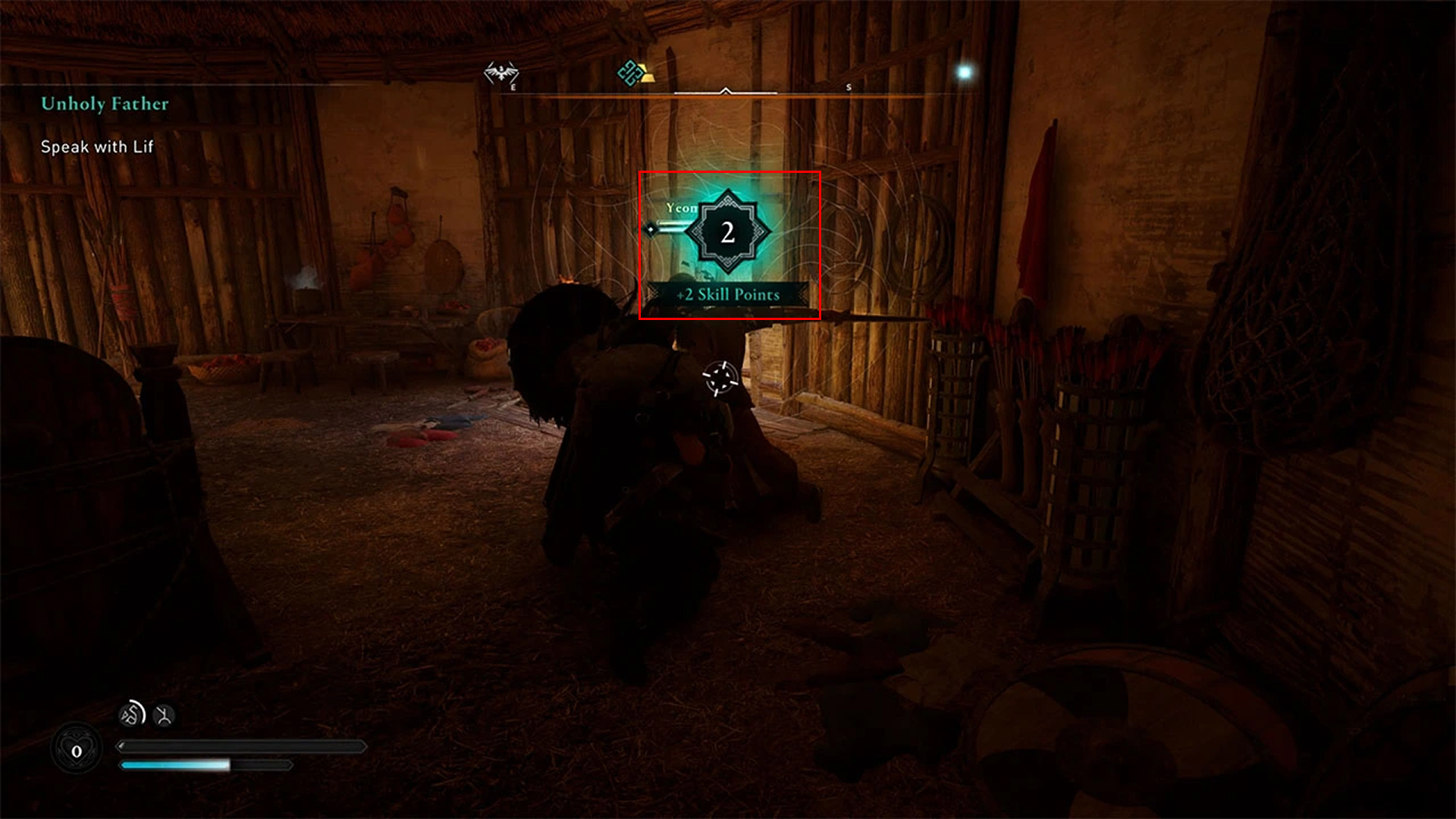
Assassins Creed Valhalla skill points is a great reference. A notification is show when the player gets new points to spend. If not consumed immediately, the points remain on screen as a constant reminder that you can still use them.
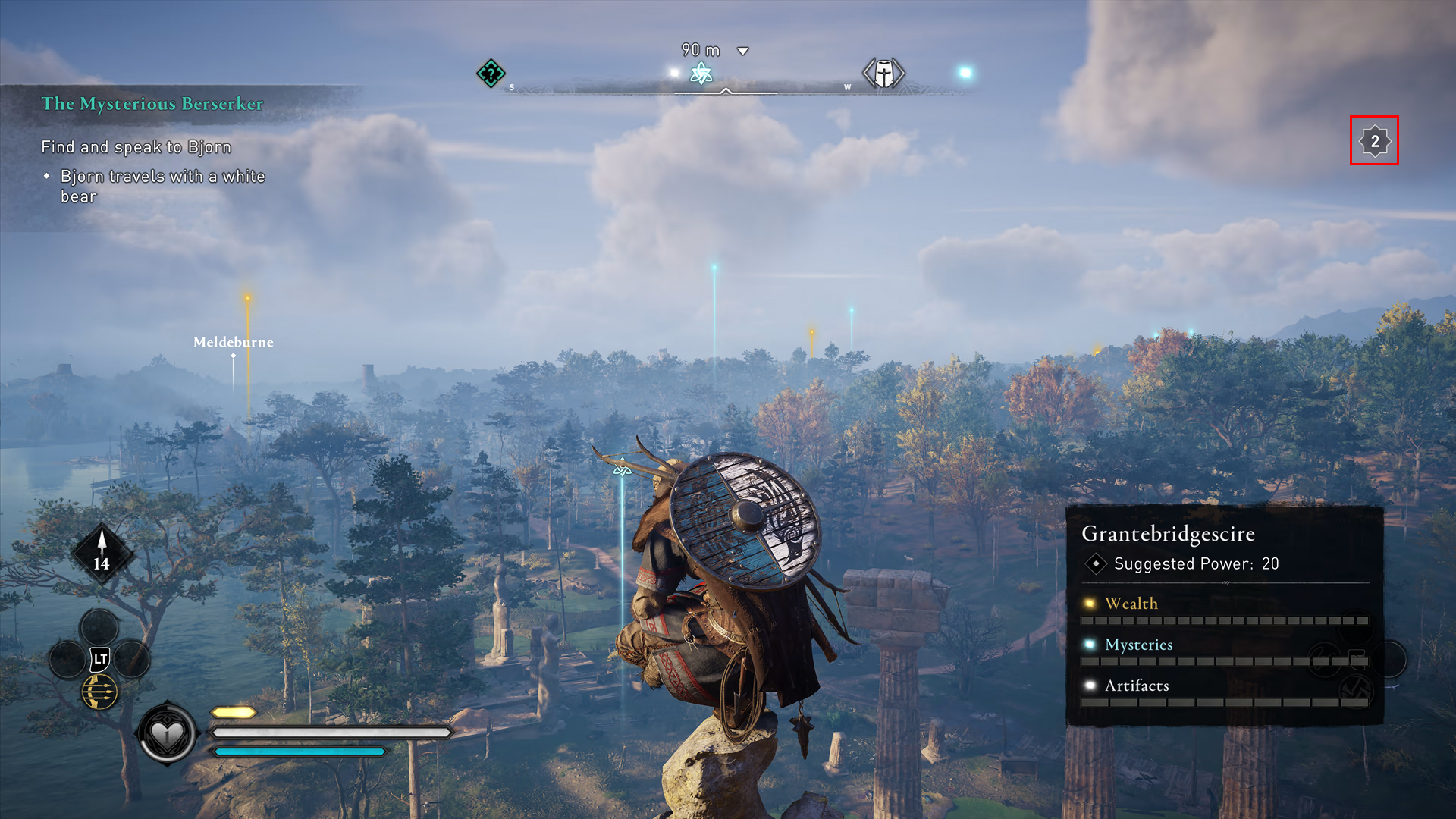
If not consumed immediately, the points remain on screen as a constant reminder that you can still use them.
Proposal 4: Add a “retry” action.
We can add a “retry” option to redo the final step if the player is unhappy with the card’s result.
It would allow players to re-roll a crafted card's outcome for an additional, escalating currency cost. This introduces a risk/reward mechanic and leverages the sunk-cost fallacy.
Action plan
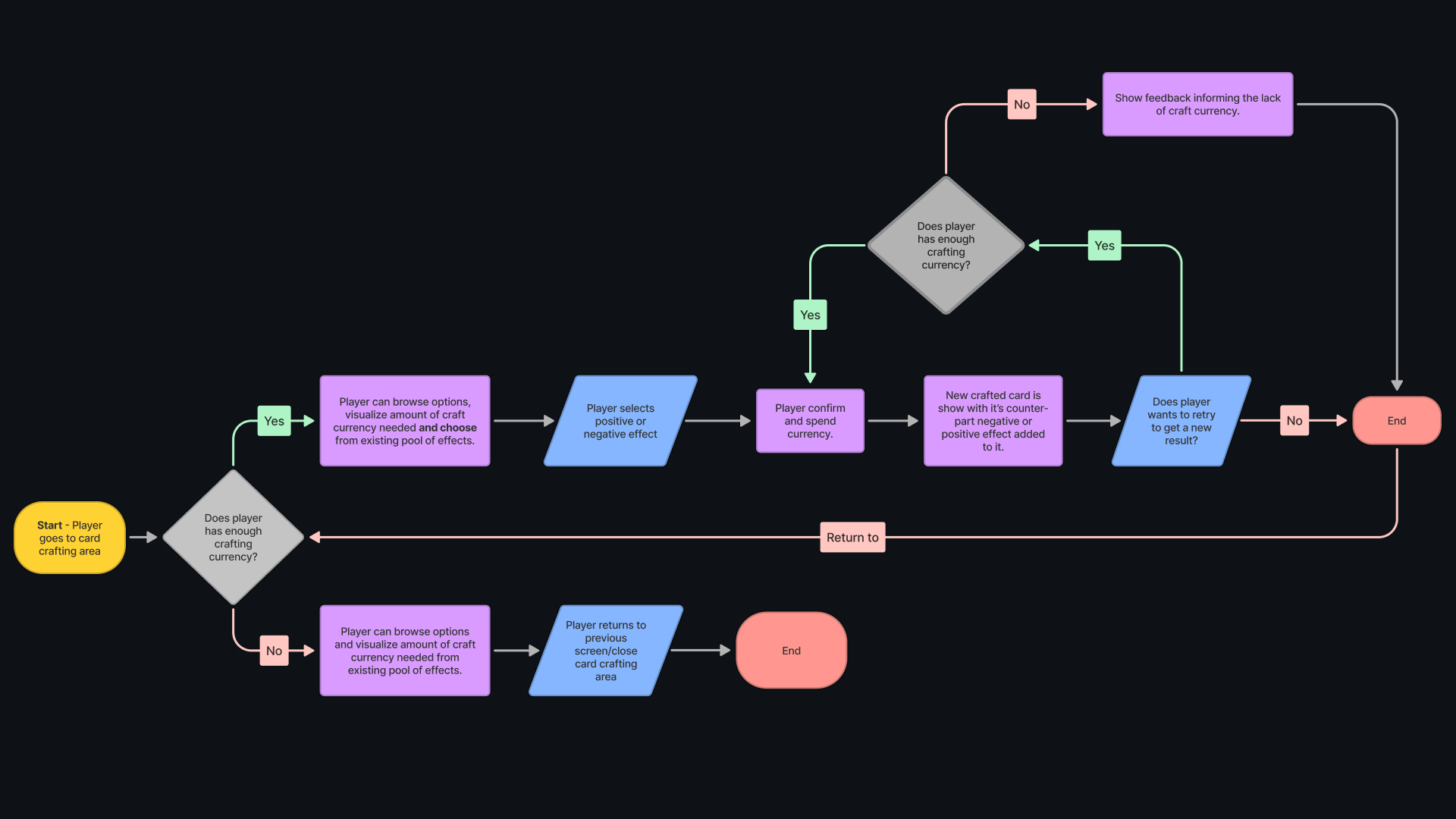
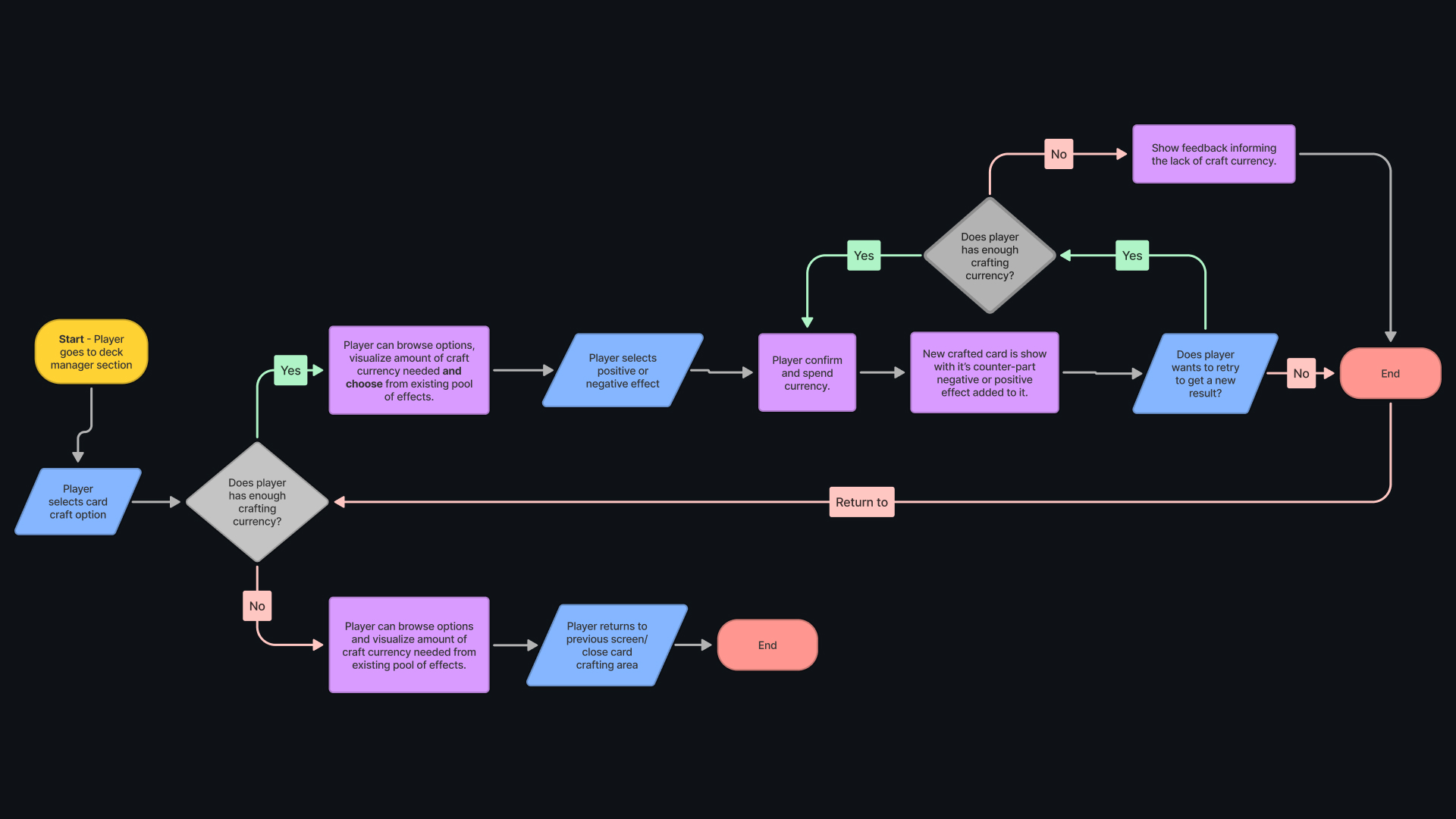
The immediate next step is to clarify the questions above with the team and conduct the proposed research. The outcome will inform the final feature design.Based on the initial review, I've outlined two primary user flows for the crafting trigger location:
Design
Flow A: Crafting in a dedicated area.
User Story: As a player, I want to craft new cards, so I can customize my deck and keep improving my game.
Flow B: Crafting integrated into the Deck Manager.
Deliver
The primary UX deliverable at this point are the user flows and the next steps suggestions. If there were other ideas or use cases to be considered and added in the feature development, I would change it to clarify all process steps.As an extra, we could agree on the strategy to validate and keep track of the success of this project, defining KPIs to follow up later.Suggestions and questions for team alignment:
- Product priority: are we aiming to increase retention and engagement, or to create a new revenue stream? This strongly affects crafting economy design.
- Desired complexity: do we want a simple, low-friction system or a deep system rewarding farming and knowledge?
- Balance and competitive integrity: how do we prevent custom combinations from breaking the meta? Should combinations be limited by category or effect?
- Telemetry: which metrics can we instrument from the crafting MVP to enable quick decisions post-launch?
Possible next steps:
- Produce lean MVP proposals for each scenario.
- Create two UI prototypes (dedicated area vs integrated) ready for usability testing.
Back4Blood - Custom card crafting feature
Overview
Back4Blood is a cooperative FPS zombie shooter that integrates strategic depth through a card system. This analysis reviews the proposed "custom card crafting" feature to refine its design, raising key questions and suggesting UX-focused solutions.
My role
Ux Design, User Research,
Discover
Starting from the beginning
I started by playing the game to get familiar with the mechanics and gameplay. I also gathered a couple of screenshots to consult and use as a reference whenever needed.
Fort Hope, player’s starting point.
Coop gameplay example.
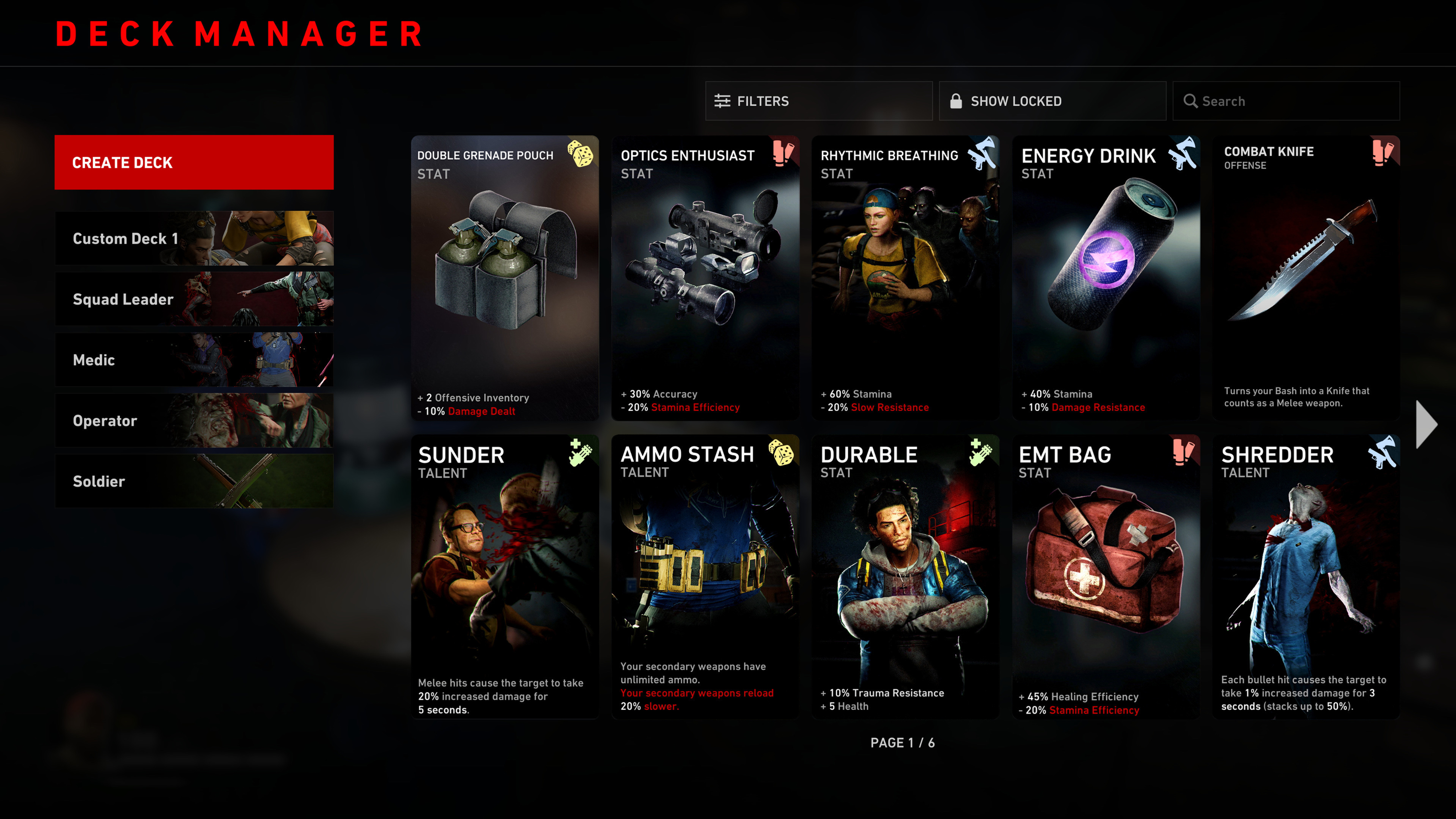
Deck creation and management area.
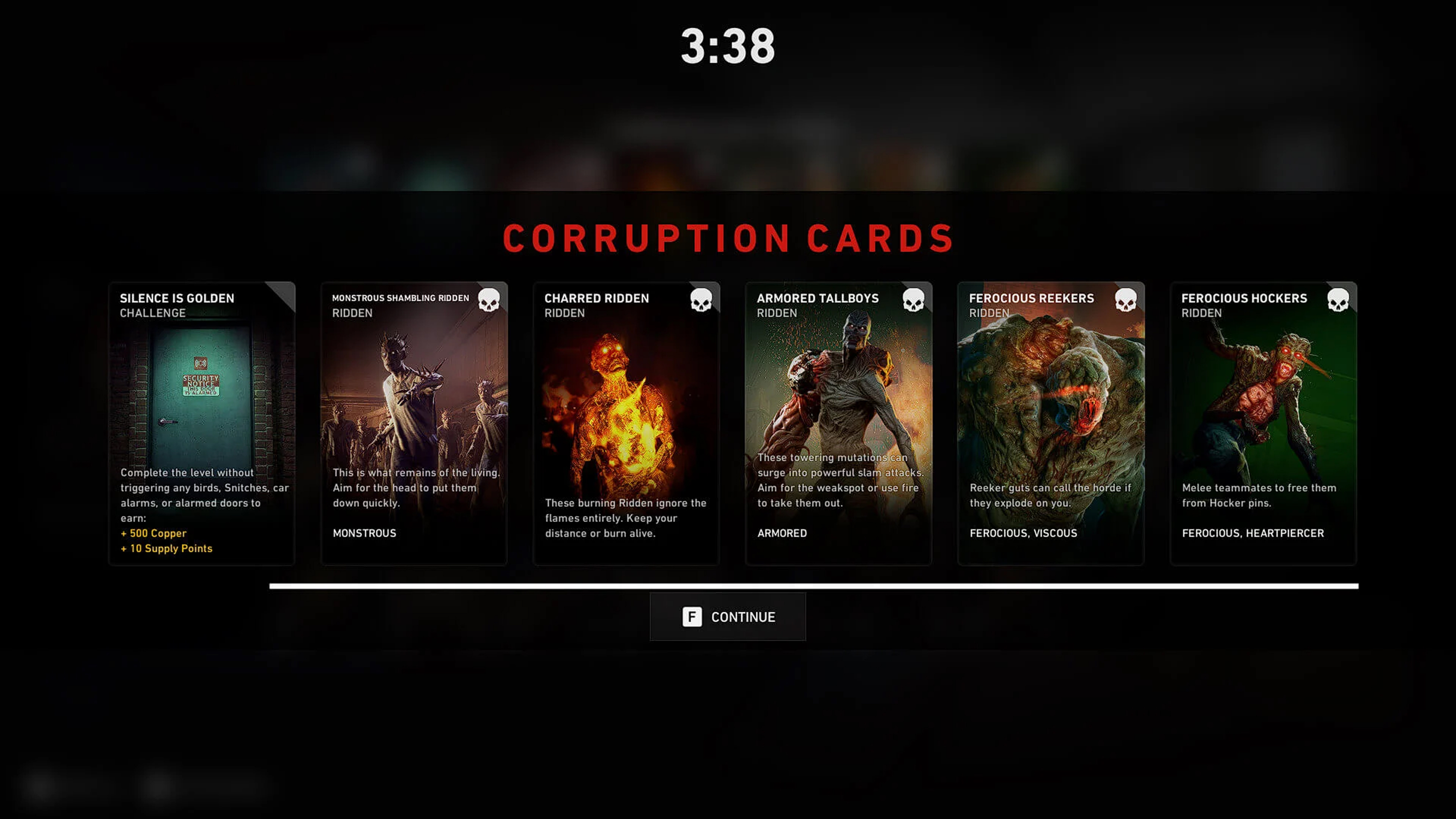
In-game card usage example.
One of the ways available to unlock new cards.
Card selection/filtering in the deck manager area.
Player community picture grouping cards by efficiency - universally good.
Cards seen as good for specific builds.
Cards perceived as average.
Cards labeled as useless by players.
Feature Design review
After playing and reviewing the screenshots, I checked the Game Design Document and raised some questions that could heavily affect the final solution. Here we can see the content from the GD document. I’ll show next my questions and possible steps to take towards an answer.
Q: Do players want to invest time in crafting cards?
From GDD “Feature Design Goal: Increase player autonomy over the card collection system.”
Hypothesis: because B4B is primarily an action game, many players may prefer combat over crafting, which requires deeper knowledge of the card system.
My approach: quick research (player interviews, stakeholders, benchmarking, social listening) and a simple prototype to test and validate interest before detailing and refining the feature.
Q: What kind of cards can they create?
Even though the feature title is “custom” card crafting, we have a couple of other options to consider. (see sticky notes)I would discuss that with producers and other team members responsible for the game to understand the pros and cons of each approach.
Scenario A - Existing cards
Are they the same as the ones available in the game?
This means we would give them a new way to get cards instead of reaching the goals that provide cards as prizes. That would only be a new way of getting something they already have, but it could still be interesting to improve the collecting aspect of the game. Introducing and expanding these aspects could even be further discussed.
Scenario B - New combinations
New combinations based on any effects available?
This approach would provide more freedom for players to enjoy the game mechanics, evoking even more excitement, surprise, and a feeling of control, as stated in the briefing. Still, there could be backlashes like a lack of player interest if the hypothesis from the previous question is true.
Q: Is the statement “crafting evokes excitement and feeling of control” an assumption, fact or request?
There is no empirical data for this project at this point. I would include this hypothesis in research to measure expected emotions (excitement, frustration, satisfaction).
Based on existing knowledge about the matter, card games, in general, can evoke a range of emotions, including excitement, anticipation, frustration, and satisfaction. Winning a game of cards can bring a sense of accomplishment and boost one’s confidence, while losing can lead to disappointment or anger, depending on the kind of game we’re talking about.Overall, the emotions that people experience while playing card games hinge on various factors such as the type of game, the stakes involved, the company, and the individual’s disposition.
Sources:
“The effects of card playing on cognition”, Bergmann, 2018
“May the passion be with you: the addictive potential...”, Calvo et al., 2018
Q: Where should the crafting entry point be?
GDD suggests a location in the 3D hub intended for crafting before deck building.I would try two approaches here using an A/B test if no other data is available. One new “craft card” area outside the deck manager section and one inside, in the same hierarchy level as we have the “create deck” option at the moment.
Another approach here would be to combine this question with one of my next proposals about allowing players to create cards they don’t have yet (unlocked). In this scenario, we could consider adding an entry point to the card craft feature under the “show locked” cards area. This approach would require further research as well.
Q: Should the player be able to see beforehand the possible “side effects” of their selection?
Again, prototype and run an A/B test to see the best option. Show the “side effect” only in the result part or show a list with possible side effects to be applied according to the effect selected by the player.
Define
Proposal 1: Multiple materials instead of a single currency,
From GDD “Card Crafting Currency: Player can acquire “crafting currency” by performing well in the Coop Campaign game mode.”
Instead of a single currency, adopt a material-based system (e.g., similar to Age of Empires). Cards would require specific items (e.g., scrap, chemicals) found in-game.
These items could be found during a coop campaign or dropped from defeated opponents, varying according to their difficulty level.
This approach would allow us to add and control friction in the crafting process and introduce a new goal to be pursued in the game, collecting materials to create relevant cards. E.g., the Player wants to craft cards -> play to farm materials -> craft their cards -> repeat.Depending on the game business model, this option could be monetized by selling the crafting materials.
Proposal 2: Introduce new interactions with cards.
We could introduce a new way to interact and collect cards along the crafting system, depending on what we want players to craft.
Players could create cards they already have using an X amount of materials. This way, they would have an easy way to personalize their decks further.
Players could then create cards they DON’T have yet by using more materials, introducing a new way to get them in the game. (Currently, you get new cards by leveling up, accomplishing specific missions, and so on.)
This proposal is related to second Discovery question.Suppose we combine proposal one and proposal 2. In that case, these two options can evoke even more excitement in our players due to all the new mechanics, strategies, and possibilities available with the new feature.
Proposal 3: Ensure feature visibility.
I would solve that through proper onboarding, and highlighting the new feature, no matter which option we decide to implement.Also, I would add a persistent on-screen notification when players have enough materials to craft (similar to the Assassin's Creed Valhalla skill point notification).
Assassins Creed Valhalla skill points is a great reference. A notification is show when the player gets new points to spend. If not consumed immediately, the points remain on screen as a constant reminder that you can still use them.
If not consumed immediately, the points remain on screen as a constant reminder that you can still use them.
Proposal 4: Add a “retry” action.
We can add a “retry” option to redo the final step if the player is unhappy with the card’s result.
It would allow players to re-roll a crafted card's outcome for an additional, escalating currency cost. This introduces a risk/reward mechanic and leverages the sunk-cost fallacy.
Action plan
The immediate next step is to clarify the questions above with the team and conduct the proposed research. The outcome will inform the final feature design.Based on the initial review, I've outlined two primary user flows for the crafting trigger location:
Design
Flow A: Crafting in a dedicated area.
User Story: As a player, I want to craft new cards, so I can customize my deck and keep improving my game.
Flow B: Crafting integrated into the Deck Manager.
Deliver
The primary UX deliverable at this point are the user flows and the next steps suggestions. If there were other ideas or use cases to be considered and added in the feature development, I would change it to clarify all process steps.As an extra, we could agree on the strategy to validate and keep track of the success of this project, defining KPIs to follow up later.Suggestions and questions for team alignment:
- Product priority: are we aiming to increase retention and engagement, or to create a new revenue stream? This strongly affects crafting economy design.
- Desired complexity: do we want a simple, low-friction system or a deep system rewarding farming and knowledge?
- Balance and competitive integrity: how do we prevent custom combinations from breaking the meta? Should combinations be limited by category or effect?
- Telemetry: which metrics can we instrument from the crafting MVP to enable quick decisions post-launch?
Possible next steps:
- Produce lean MVP proposals for each scenario.
- Create two UI prototypes (dedicated area vs integrated) ready for usability testing.
Back4Blood - Custom card crafting feature
Overview
Back4Blood is a cooperative FPS zombie shooter that integrates strategic depth through a card system. This analysis reviews the proposed "custom card crafting" feature to refine its design, raising key questions and suggesting UX-focused solutions.
My role
Ux Design, User Research,
Discover
Starting from the beginning
I started by playing the game to get familiar with the mechanics and gameplay. I also gathered a couple of screenshots to consult and use as a reference whenever needed.
Fort Hope, player’s starting point.
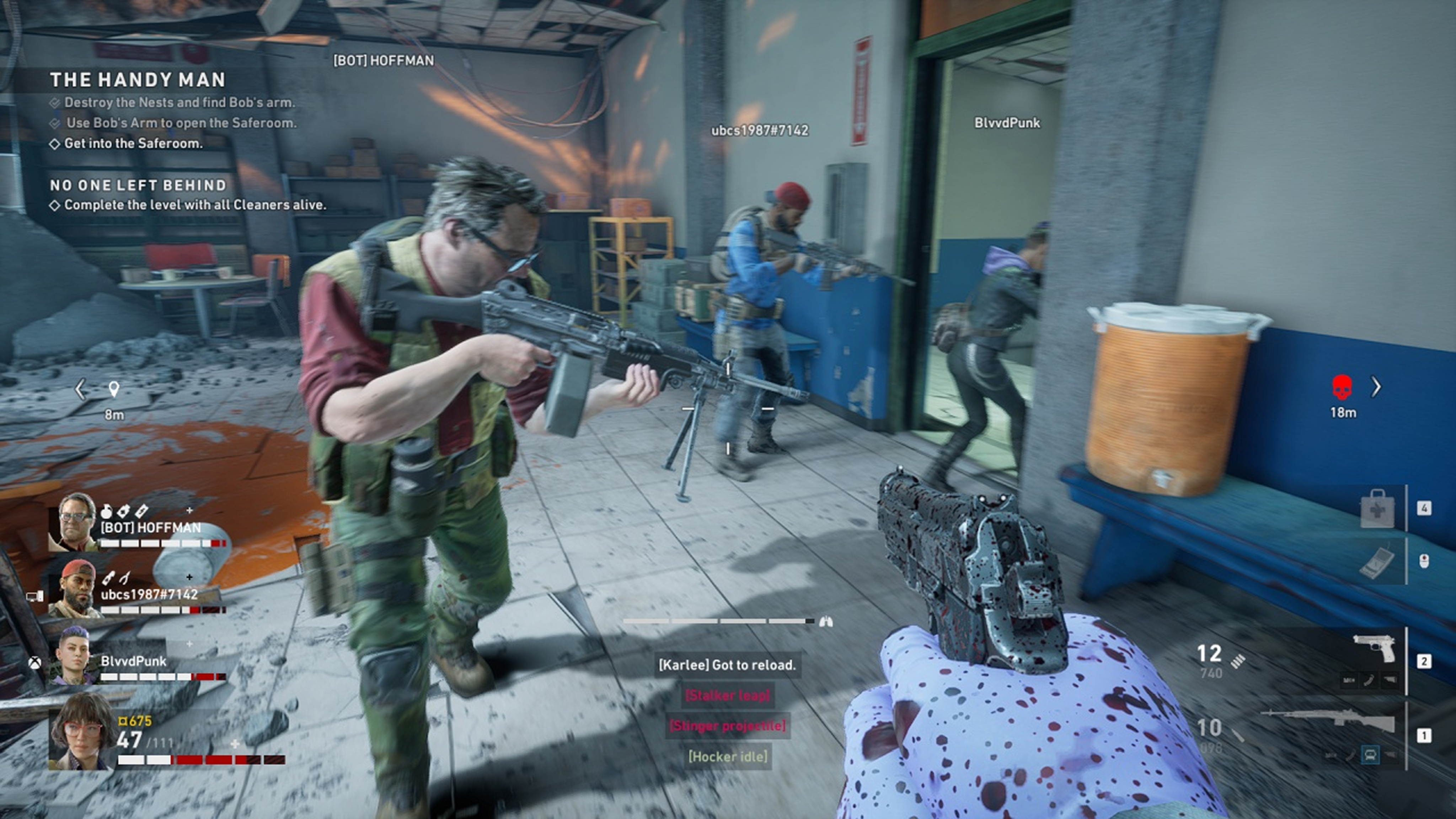
Coop gameplay example.
Deck creation and management area.
In-game card usage example.
One of the ways available to unlock new cards.
Card selection/filtering in the deck manager area.
Player community picture grouping cards by efficiency - universally good.
Cards seen as good for specific builds.
Cards perceived as average.
Cards labeled as useless by players.
Feature Design review
After playing and reviewing the screenshots, I checked the Game Design Document and raised some questions that could heavily affect the final solution. Here we can see the content from the GD document. I’ll show next my questions and possible steps to take towards an answer.
Q: Do players want to invest time in crafting cards?
From GDD “Feature Design Goal: Increase player autonomy over the card collection system.”
Hypothesis: because B4B is primarily an action game, many players may prefer combat over crafting, which requires deeper knowledge of the card system.
My approach: quick research (player interviews, stakeholders, benchmarking, social listening) and a simple prototype to test and validate interest before detailing and refining the feature.
Q: What kind of cards can they create?
Even though the feature title is “custom” card crafting, we have a couple of other options to consider. (see sticky notes)I would discuss that with producers and other team members responsible for the game to understand the pros and cons of each approach.
Scenario A - Existing cards
Are they the same as the ones available in the game?
This means we would give them a new way to get cards instead of reaching the goals that provide cards as prizes. That would only be a new way of getting something they already have, but it could still be interesting to improve the collecting aspect of the game. Introducing and expanding these aspects could even be further discussed.
Scenario B - New combinations
New combinations based on any effects available?
This approach would provide more freedom for players to enjoy the game mechanics, evoking even more excitement, surprise, and a feeling of control, as stated in the briefing. Still, there could be backlashes like a lack of player interest if the hypothesis from the previous question is true.
Q: Is the statement “crafting evokes excitement and feeling of control” an assumption, fact or request?
There is no empirical data for this project at this point. I would include this hypothesis in research to measure expected emotions (excitement, frustration, satisfaction).
Based on existing knowledge about the matter, card games, in general, can evoke a range of emotions, including excitement, anticipation, frustration, and satisfaction. Winning a game of cards can bring a sense of accomplishment and boost one’s confidence, while losing can lead to disappointment or anger, depending on the kind of game we’re talking about.Overall, the emotions that people experience while playing card games hinge on various factors such as the type of game, the stakes involved, the company, and the individual’s disposition.
Sources:
“The effects of card playing on cognition”, Bergmann, 2018
“May the passion be with you: the addictive potential...”, Calvo et al., 2018
Q: Where should the crafting entry point be?
GDD suggests a location in the 3D hub intended for crafting before deck building.I would try two approaches here using an A/B test if no other data is available. One new “craft card” area outside the deck manager section and one inside, in the same hierarchy level as we have the “create deck” option at the moment.
Another approach here would be to combine this question with one of my next proposals about allowing players to create cards they don’t have yet (unlocked). In this scenario, we could consider adding an entry point to the card craft feature under the “show locked” cards area. This approach would require further research as well.
Q: Should the player be able to see beforehand the possible “side effects” of their selection?
Again, prototype and run an A/B test to see the best option. Show the “side effect” only in the result part or show a list with possible side effects to be applied according to the effect selected by the player.
Define
Proposal 1: Multiple materials instead of a single currency,
From GDD “Card Crafting Currency: Player can acquire “crafting currency” by performing well in the Coop Campaign game mode.”
Instead of a single currency, adopt a material-based system (e.g., similar to Age of Empires). Cards would require specific items (e.g., scrap, chemicals) found in-game.
These items could be found during a coop campaign or dropped from defeated opponents, varying according to their difficulty level.
This approach would allow us to add and control friction in the crafting process and introduce a new goal to be pursued in the game, collecting materials to create relevant cards. E.g., the Player wants to craft cards -> play to farm materials -> craft their cards -> repeat.Depending on the game business model, this option could be monetized by selling the crafting materials.
Proposal 2: Introduce new interactions with cards.
We could introduce a new way to interact and collect cards along the crafting system, depending on what we want players to craft.
Players could create cards they already have using an X amount of materials. This way, they would have an easy way to personalize their decks further.
Players could then create cards they DON’T have yet by using more materials, introducing a new way to get them in the game. (Currently, you get new cards by leveling up, accomplishing specific missions, and so on.)
This proposal is related to second Discovery question.Suppose we combine proposal one and proposal 2. In that case, these two options can evoke even more excitement in our players due to all the new mechanics, strategies, and possibilities available with the new feature.
Proposal 3: Ensure feature visibility.
I would solve that through proper onboarding, and highlighting the new feature, no matter which option we decide to implement.Also, I would add a persistent on-screen notification when players have enough materials to craft (similar to the Assassin's Creed Valhalla skill point notification).
Assassins Creed Valhalla skill points is a great reference. A notification is show when the player gets new points to spend.
If not consumed immediately, the points remain on screen as a constant reminder that you can still use them.
Proposal 4: Add a “retry” action.
We can add a “retry” option to redo the final step if the player is unhappy with the card’s result.
It would allow players to re-roll a crafted card's outcome for an additional, escalating currency cost. This introduces a risk/reward mechanic and leverages the sunk-cost fallacy.
Action plan
The immediate next step is to clarify the questions above with the team and conduct the proposed research. The outcome will inform the final feature design.Based on the initial review, I've outlined two primary user flows for the crafting trigger location:
Design
Flow A: Crafting in a dedicated area.
User Story: As a player, I want to craft new cards, so I can customize my deck and keep improving my game.
Flow B: Crafting integrated into the Deck Manager.
Deliver
The primary UX deliverable at this point are the user flows and the next steps suggestions. If there were other ideas or use cases to be considered and added in the feature development, I would change it to clarify all process steps.As an extra, we could agree on the strategy to validate and keep track of the success of this project, defining KPIs to follow up later.Suggestions and questions for team alignment:
- Product priority: are we aiming to increase retention and engagement, or to create a new revenue stream? This strongly affects crafting economy design.
- Desired complexity: do we want a simple, low-friction system or a deep system rewarding farming and knowledge?
- Balance and competitive integrity: how do we prevent custom combinations from breaking the meta? Should combinations be limited by category or effect?
- Telemetry: which metrics can we instrument from the crafting MVP to enable quick decisions post-launch?
Possible next steps:
- Produce lean MVP proposals for each scenario.
- Create two UI prototypes (dedicated area vs integrated) ready for usability testing.